

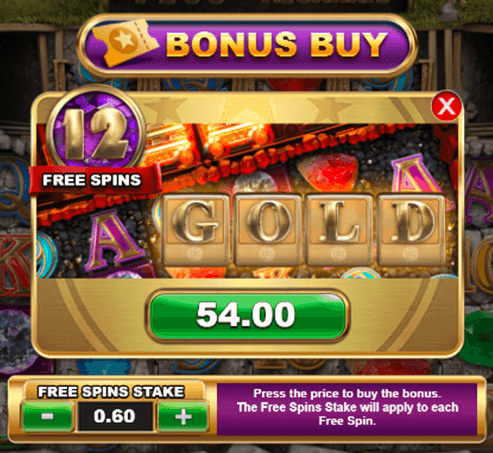
Being a UK player who enjoys slots like Brick House Bonanza revealed something unexpected. Managing my fun money for gaming has a lot in common with dealing with my yearly taxes. Both need organisation, a understanding of the rules, and most of all, good timing. This article examines the financial side of online gaming for UK players. We’ll discuss everything from treating it as a simple leisure cost to the absolute need to book your tax appointment long before the 31st January limit. I want to create a bright line between the excitement of chasing a bonus and the reality of personal accounting. My objective is to provide you a clear plan so your finances feel as solid as the brick house on your screen.
Grasping the Economic Terrain for UK Slot Aficionados
If you play online slots in the UK, you are taking part in a leisure activity. The most important money principle is this: your gambling wins are not taxable income. This sets the UK apart from many other places and is good news for occasional players. But this guideline doesn’t mean you can ignore your budget. The money you use for gaming comes from your disposable income. You have to control it carefully within your overall financial plan. Think of it similar to money allocated for a meal out or a monthly TV subscription. Viewing your slot play this way is essential for maintaining your finances healthy. It prevents a bit of fun from disrupting important things like your rent or your nest egg.
The difference between tax-free wins and responsible personal spending is where personal accounting plays its role. HMRC won’t tax your Brick House Bonanza jackpot, but you still need to know how your gaming fits into your bigger financial picture. This is even more significant if you already hold detailed records for a self-assessment tax return. Maybe you’re self-employed or a property owner. In these cases, you must maintain business and leisure spending completely separate. Comprehending this arena is step one. It enables you to fold your hobby into a prudent financial plan without any unpleasant surprises.
Why Scheduling Your Tax Appointment should be considered Non-Negotiable
Putting things off ruins a good gaming session and makes a tax return into a nightmare. Scheduling your tax appointment early is crucial. Aim to do it prior to the year ends. A last-minute rush results in mistakes, missed details, and significant stress. For a UK taxpayer, the 31st January deadline for online submission is non-negotiable. Missing it incurs an automatic £100 fine. If you schedule early, you offer yourself and your accountant the opportunity to collect paperwork, review transactions, and ask the right questions. This forward-thinking approach converts a potential headache into a routine job.
An early booking also gives you a strategic edge. You are able to forecast your tax bill accurately, which implies you have time to save up for the January payment. If you are owed a refund, you will get it faster. For people with more complicated finances, perhaps with rental income or investments on top of a salary, this lead time is extremely valuable. It allows a deep look at all your financial movements. You are able to claim every legitimate expense and ensure your return is as efficient as possible. Consider this appointment as you would a crucial doctor’s visit. It serves as a preventative step for your financial health.
Important Documents to Arrange Before Your Meeting
Showing up to your tax meeting without preparation costs time and money. For a efficient session, assemble every pertinent piece of paper. This generally means your P60 from your employer, any P11D or P9D forms for benefits, and bank statements for the full tax year. You’ll need interest certificates and dividend vouchers if you have savings or investments. Self-employed people and landlords must have comprehensive records of all their income and allowable costs. Get these documents in order, either in a folder or on your computer. It shows you are on top of things and lets your advisor focus on giving advice, not digging for data.
The Function of Personal Entertainment Budgets
A clean record of your personal entertainment budget is very helpful, even though HMRC doesn’t need to see it. This is for your own clarity. Keep a straightforward log or use the categories in a budgeting app to track what you spend on platforms where you might play Brick House Bonanza. This habit promotes responsible gaming and shows you exactly where your leisure cash goes. It stops gaming from unintentionally interfering with your other bills. Your hobby should stay just that, a fun activity you can comfortably afford.
Distinguishing Between Professional and Personal Spending
For numerous UK taxpayers, particularly the self-employed, the line between business and personal spending needs to be crystal clear. HMRC has clear rules on what counts as a legitimate business expense. You have to understand that money spent on leisure, like online gambling, is never a business expense. This applies even if you talk about it with a client. Trying to claim these costs would be wrong and could invite an investigation. Your accounting for gaming must stay completely separate, living only in your personal disposable income. Keeping this divide is a cornerstone of compliant and stress-free money management.
The rules are distinct and far more intricate for professional gamblers, a status that is difficult to prove and doesn’t apply to most slot players. If you just enjoy Brick House Bonanza for fun, this status is not for you. A key recommendation is to use separate bank accounts or dedicated tools for business and personal use. It makes record-keeping much simpler and gives you a clean audit trail. When you go to your tax appointment, this clear separation will streamline things. Your accountant can concentrate on your genuine business finances without sifting through your personal transactions.
Bookkeeping Top Tips for the Modern Player
We live in a digital age where maintaining good records should be easy, but many people still skip it. I suggest a structured method. For your individual finances, including recreational spending, use a specialized budgeting app. These apps can sync to your bank accounts in read-only mode and categorize transactions automatically. Set up a custom category like «Gaming/Leisure» to record casino deposits. For total clarity, you can utilize your UK banking app to include notes to transactions. Marking a transfer as «Brick House Bonanza Deposit» gives you quick context. This digital trail is invaluable for your monthly budget check-ins and keeps your spending in check.
The rules are tighter for business records. You need to keep records of all sales, income, and business expenses for at least five years after the relevant tax year’s 31st January deadline. Use cloud-based accounting software built for the UK market. It can handle VAT, invoicing, and expense tracking. Many of these platforms have mobile apps that allow you capture a photo of a receipt and submit it straight away. Integrating disciplined personal budgeting with professional accounting software builds a complete financial system. This system goes beyond support an accurate tax return. It gives you a live view of your financial health, enabling you take smarter choices in every part of your life.
Frequent Accounting Pitfalls for UK Gamblers to Evade
Even with the top plans, UK players can walk into some classic accounting traps. The biggest error is combining funds together. Using the same bank account for business income, household bills, and casino deposits creates a reconciliation nightmare. Another trap is messy receipt management. Without a proper system, you overlook small business expenses and confuse the lines with personal spending. Some people also get confused and think a big slot win must be declared as income. Remember, for the overwhelming majority, gambling wins are not taxable. The money you use to play, however, is part of your overall financial pot.
A less obvious trap involves affordability and responsibility. This isn’t a direct accounting error, but failing to check your leisure spending against your income can cause budget gaps. Responsible UK operators do run checks, but your own vigilance matters most. You should also resist the urge to chase losses by using money saved for your tax bill or essential living costs. A powerful tactic is to set firm monthly deposit limits on your gaming accounts. Consider this like a fixed entertainment cost, no different from your music streaming service. This strategy helps you to avoid the trap and keeps your personal accounts in good order.
Using Technology for Effortless Financial Management
Technology is a significant help for anyone handling modern finances. UK users have access to a broad range of tools that automate both personal and tax-related bookkeeping. Personal finance apps like Money Dashboard or your own bank’s budgeting features provide useful insights. For tax preparation, cloud accounting software such as FreeAgent, QuickBooks, or Xero is the standard. These platforms can link directly to your business bank feed, send automatic invoice reminders, and even predict your next tax bill using live data. Using tech strategically changes a yearly chore into an continuous process.
There’s also the Making Tax Digital (MTD) initiative from HMRC. It drives for fully digital tax records. While currently required for VAT-registered businesses and coming for income tax, getting ahead of the curve is prudent. Using compatible software means you will meet future rules without a hassle. For your personal leisure tracking, a simple spreadsheet or a basic app can log your gaming activity. Some players keep a plain log with dates, deposits, and withdrawals just to check their net position. Using these tools saves time and reduces the risk of manual errors. It makes your annual tax appointment a simple review, not a frantic rebuild of the past year.
Picking the Correct Accountant for Your Individual Needs
Selecting an accountant is a significant decision https://bonanza-casinos.com/brick-house-bonanza/. You need a professional who understands the specifics of your financial life. For most UK players, this involves finding an accountant or firm that is familiar with the rules around gambling winnings and personal taxation inside out. They should provide clear advice on allowable business expenses while stressing the separation of leisure spending. Seek a certified or chartered accountant registered with a institute like the ICAEW or ACCA. It also assists if they have handled with clients in your specific field, whether you are a contractor, freelancer, or operate a small shop.
Pose direct questions when you interview potential accountants. Do they employ cloud software you can access? What are their fees? How do they liaise with clients during the year? A good accountant serves as a strategic advisor, not just a once-a-year tax filer. They should remind you of deadlines, propose tax-efficient ideas, and be available for questions. For your peace of mind, check they have professional indemnity insurance. The best relationships are collaborative. You submit organised records and clear information. They provide expertise, ensure compliance, and provide strategic insight. This enables you focus on your work and your leisure with real confidence.
Strategic Timing: Matching Financial Reviews with the Tax Year
The UK tax year extends from 6th April to 5th April the next year. Aligning your main financial check-ups with this cycle is a effective habit. I suggest doing a full review of your personal finances just after the tax year ends, around mid-April. This is the optimal moment to look at your spending over the previous year, including your budget for leisure activities like online slots. Look at your patterns, modify your budgets for the new year, and set fresh financial goals. This post-tax-year review offers you a clean start and fresh data. It informs your spending and saving decisions for the coming months, well before the next tax return season kicks off.
A quarterly review operates even better for business accounting. Align these with your VAT quarters if you have them, or just with the calendar quarters. This regular check-in avoids surprises, keeps your records current, and enables you to make strategic tweaks to your business. It also guarantees the data for your year-end accounts and tax return is already gathered and checked. That keeps the final preparation process smooth. When you coordinate your personal and business financial rhythms with the official tax calendar, you build a disciplined, low-stress approach to money. This structure changes a task many dread into a normal part of a successful financial life.
Creating Your Annual Financial Action Plan
Employ your annual review to prepare a clear, actionable financial plan for the coming tax year. This plan should cover both your business objectives and your personal money aspirations. For your personal finances, this includes setting your entertainment budget. A practical method is to designate a fixed monthly sum for leisure. This includes things like subscriptions, meals out, and gaming. Planning this allocation works much more efficiently than spending on a whim. Your action plan should also list deadlines for key tasks. Establish a timeline so nothing gets left until the final moment.
Here is a proposed timeline for key financial actions within the UK tax year:
- Early April: Perform full annual review of previous tax year’s personal and business finances.
- May: Set new annual budgets and financial goals. Schedule your next tax appointment for November/December.
- July (Mid-year): Review progress against budgets and goals. Mid-year tax estimate check-in with accountant if needed.
- October: Last reminder to register for Self-Assessment if you are newly required to do so.
- November/December: Attend your tax preparation appointment and submit your return.
- 31st January: Final date for online return and payment of any tax due.
This structured plan, together with disciplined tech use and professional advice, holds you in the driver’s seat. It releases you up to savor your downtime, whether that entails spinning the reels on Brick House Bonanza or something else, with total peace of mind.

Gabriela Gonzalez
All Author Posts